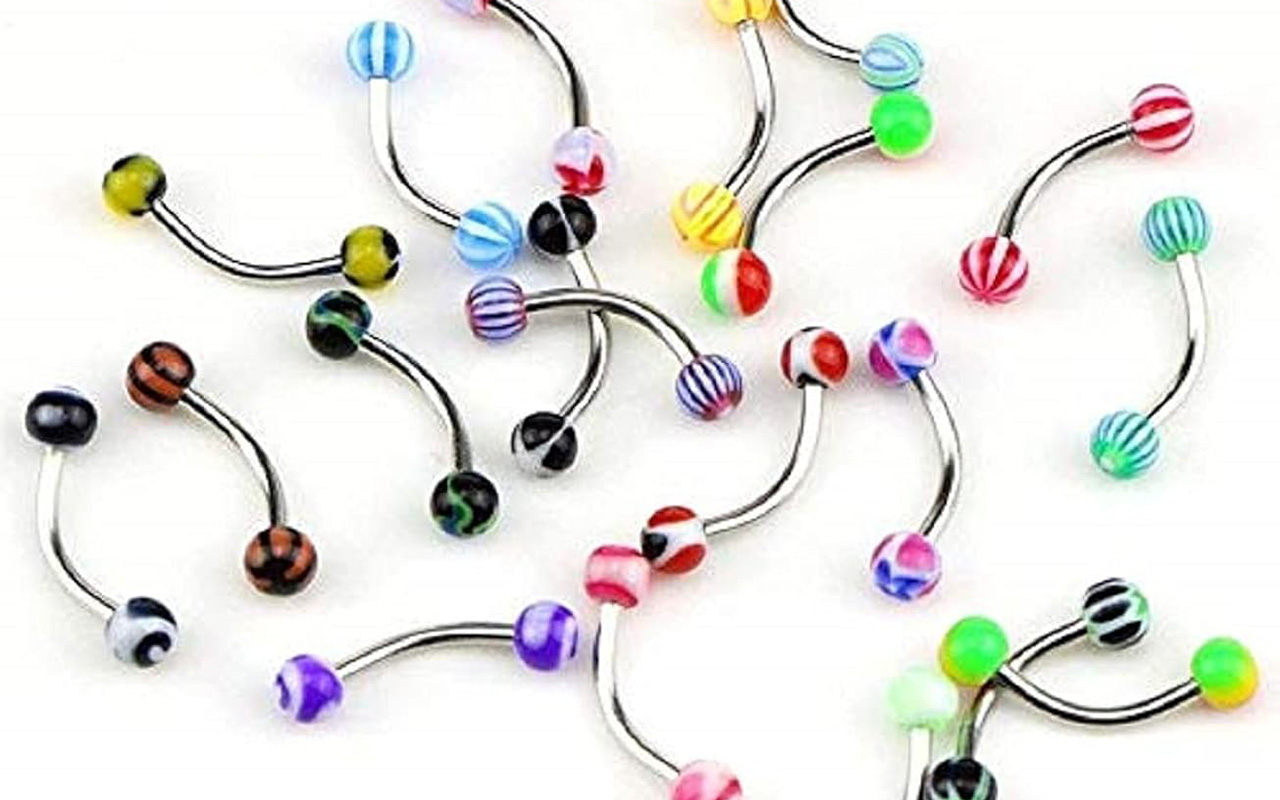
Introduzione: Why Piercing Jewelry Quality Is the Difference Between Repeat Orders and Returns
You sourced a batch of “implant-grade” titanium labrets from a new supplier. Three weeks later, your client sends photos of tarnished jewelry and a rash on fresh piercings. Now you’re stuck — reimbursing the client, rebuilding trust, and wondering if those certificates were real.
We’ve seen this play out more times than we can count from our side of the factory floor. Questo rileva, we’ve been manufacturing ASTM F-136 titanium and 316L surgical steel piercing jewelry since 2014. Ogni giorno, we run QC on thousands of pieces before they leave our workshop. This guide is built on what actually goes wrong in production — not textbook theory.
1. Understanding Materials: The Foundation of Quality Piercing Jewelry
ASTM F-136 Titanium vs 316L Steel: What Importers Need to Know
IL “implant-grade” label costs extra to certify. Most budget suppliers skip it.
What separates real ASTM F-136 from cheap lookalikes: mill test reports. We issue one with every bulk order — it documents the exact chemical composition of the raw material batch. If a supplier hesitates to provide one, that’s your first red flag.
Real talk from our QC floor: We reject roughly 3-5% of incoming raw titanium stock every month — hairline cracks, inclusions, or off-spec composition that would pass a casual visual check but fail under stress. Your supplier should do the same. Ask about their incoming material inspection protocol.
The Importance of Material Quality
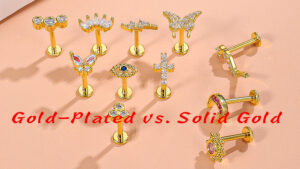
The material used in piercing jewelry plays a critical role in the healing process. Titanium and surgical stainless steel are unlikely to cause allergic reactions and support faster healing. D'altra parte, low-quality metals like plated gold or silver can cause allergic reactions, infezioni, o guarigione ritardata.
Source From a Certified Manufacturer
Evaluate quality with confidence. Request wholesale pricing, mill certificates, and sample packs from our factory.
Explore Wholesale · Request Certificates
You can also check out the Association of Professional Piercers’ recommendations for choosing safe, implant-grade jewelry for initial piercings.
2. Surface Finish and Safety: How It Affects Piercing Jewelry Quality
Mirror Finish Is a Safety Requirement — Not Cosmetic
Our polishing process goes through 4 stages: coarse grinding → fine grinding → pre-polish → mirror finish. Each stage removes the scratches from the previous one. The final step uses diamond paste on a felt wheel at 2,800 RPM. If a piece doesn’t reflect a clear image under direct light, it doesn’t ship.
What poor polishing looks like in practice:
• Rough threading that shaves metal particles into the piercing channel
• Micro-grooves that trap bacteria and make sterilization ineffective
• Sharp edges on ball ends that tear fistula tissue during insertion
Here’s a number that surprised even us: when an importer complains about “reazioni allergiche,” roughly 60% of the time it’s actually a surface finish issue — not the material itself. The jewelry wasn’t properly polished, so micro-abrasions irritated the piercing. We’ve had clients send us competitor samples for analysis. Under 40x magnification, the difference is obvious.
The Risks of Poor Finish
Poorly finished jewelry can cause a range of problems. Per esempio, rough edges or surfaces can tear the skin, leading to infections or inflammation. Inoltre, poorly finished jewelry can attract dirt and bacteria, which will prolong the healing process and might lead to other complications.
3. Gemstone Quality: Cut, Clarity, and Setting
Evaluating Gemstone Cut and Clarity
For jewelry with gemstones, the cut and clarity are essential in determining both the aesthetic appeal and the durability of the piece. High-quality gemstones are cut with precision to enhance their brilliance and clarity, ensuring they contribute to the overall beauty and strength of the piercing jewelry.
•Cut: The quality of the cut affects how the gemstone reflects light. A well-cut gemstone will shine brightly, while a poorly cut gemstone may look dull or misshapen.
•Clarity: The higher the transparency and clarity of the gemstone, the more visually appealing it is. Low-quality gemstones may appear cloudy or full of inclusions, diminishing their overall appearance.
Setting Quality and Safety
The method used to set gemstones is equally important. High-quality jewelry will use secure settings, such as prongs or bezels, to ensure the gemstones are held firmly in place. Avoid using adhesives, which can degrade over time and cause the stones to loosen or fall out.
4. Manufacturing Standards and Compliance: Ensuring Safety
What “APP Compliant” Actually Means — and How to Verify It
A supplier saying “APP compliant” and actually being APP compliant are two different things. Here’s what to verify, not just ask about:
Explore wholesale piercing jewelry from a certified manufacturer
1. Raw material traceability. We batch-number every production run. If a client reports a defect, we can trace it back to the specific raw material lot, machining shift, and polishing operator. That’s not standard — but it should be.
2. Threading tolerance. Internally threaded labrets should have threads cut to ±0.05mm precision. Loose threading means the top will wobble. Overtight threading means it’ll seize. We test every threaded piece with a go/no-go gauge before packing.
3. Autoclave compatibility. Both F-136 titanium and 316L steel handle steam sterilization at 134°C / 30 PSI. But plated jewelry? The coating peels after 2-3 cycles. If you’re selling to piercing studios that autoclave their stock, plated jewelry is a liability.
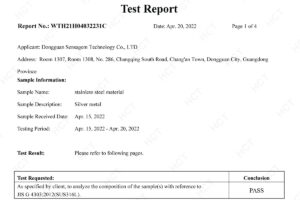
4. Nickel migration testing. For EU markets (REACH compliance), your jewelry needs to pass the nickel release test — less than 0.5 µg/cm² per week. We run third-party lab tests quarterly. Request the latest test report from any supplier you’re evaluating.
The Importance of Certification
Certification is a crucial way to determine the quality of piercing jewelry. High-quality jewelry will often be certified, demonstrating that it has passed various quality checks and complies with safety regulations. Importers should prioritize working with suppliers that provide certification, as this ensures they are purchasing products that meet industry standards.
5. Jewelry Quality Testing: Ensuring the Jewelry Meets Standards
Common Quality Testing Methods
To ensure piercing jewelry is of the highest quality, suppliers perform various tests. Questi includono:
•Visual Inspections: Inspecting jewelry for defects, such as scratches, cracks, or other surface flaws.
•Pull Tests: Testing the strength of the jewelry to ensure it can withstand normal wear without breaking.
•Chemical Analysis: Confirming the purity of metals used to manufacture the jewelry to ensure they are free from harmful substances.
Using Proper Testing Equipment
Suppliers should employ professional testing equipment to verify that each piece of piercing jewelry meets safety and quality standards. As an importer, it’s essential to inquire about the quality control procedures used by suppliers before placing an order.
6. Common Defects to Avoid in Piercing Jewelry
Identifying Defects and Their Impact
Common defects in piercing jewelry include:
•Scratches and Flaws: Jewelry with scratches or visible imperfections can harbor bacteria and lead to infections or delayed healing.
•Poor Assembly: Jewelry that is poorly assembled may break, causing discomfort and health risks.
•Loose Gemstones: If gemstones are not securely set, they can fall out or become damaged, affecting the appearance and function of the jewelry.
How to Avoid Defects
Importers should regularly check jewelry for defects before purchasing and consider working with trusted suppliers who maintain strict quality control processes. Ensuring that jewelry is defect-free will help prevent customer complaints and ensure the product’s safety.
7. Consumer Safety: Regulatory Considerations
Legal Compliance
Piercing jewelry must comply with local and international safety regulations. Different countries have their own laws regarding piercing jewelry, and importers must ensure they are adhering to these regulations.
Ensuring Consumer Safety
It is the responsibility of the importer to ensure that the jewelry complies with relevant health and safety standards. Only jewelry that meets these regulations can guarantee consumer safety and minimize the risk of infection or allergic reactions.
8. Market Trends: What Importers Need to Know About Piercing Jewelry Quality
Current Trends in Quality
As consumers become more aware of the importance of jewelry quality, the demand for implant-grade materials is increasing. More and more customers are opting for high-quality piercing jewelry, especially for initial piercings, due to its enhanced safety and durability.
Meeting Market Demand
Importers should stay informed about market trends and ensure they are sourcing products that meet consumer expectations for high-quality piercing jewelry. Offering top-tier products will help build trust with customers and differentiate the importer from competitors.
Frequently Asked Questions from B2B Buyers
1. What materials are best for piercing jewelry?
Q: What’s the minimum order quantity for custom designs?
2. How can I tell if my piercing jewelry is high quality?
Q: Do you provide mill certificates with bulk orders?
3. What are the risks of using low-quality piercing jewelry?
Q: How do I verify a supplier’s “implant-grade” claim without a lab?
4. How does the surface finish affect piercing jewelry?
Q: Can I get free samples to evaluate quality before ordering?
5. Are there specific standards for body jewelry manufacturing?
Q: What documentation do I need for customs clearance?
Q: What’s the minimum order quantity for custom designs?
UN: 100 pieces per design for made-to-order. In-stock models ship at MOQ 10. We keep 200+ SKUs in stock for quick turnaround.
UN: Yes — with every bulk shipment. We source F-136 titanium from certified mills and attach the MTR (Material Test Report) to your order documentation. Customs authorities in the EU, NOI, and Australia routinely request these. If another supplier hesitates to provide one, that’s a red flag.
Q: How do I verify a supplier’s “implant-grade” claim without a lab?
UN: Three checks: (1) Request the mill certificate, (2) ask about their incoming material inspection process, (3) order a sample and run a nickel spot test. We offer free samples to qualified B2B buyers — you verify the quality before committing to a bulk order.
UN: SÌ. We send free samples to qualified B2B buyers. You verify the quality — materials, fine, threading — before committing to a bulk order. Just contact our team with your business details.
UN: We provide: commercial invoice, packing list, bill of lading, material test reports (mill certificates), and certificate of origin. For EU shipments we also include REACH compliance documentation.
Stop Guessing — Start Sourcing with Confidence
We’ve been on the manufacturing side for over a decade — running QC, certifying materials, and shipping to piercing studios in 30+ Paesi. If you’re evaluating a new piercing jewelry supplier or want to compare quality standards, we’ll send you:
• Our current wholesale catalog (200+ in-stock SKUs)
• ASTM F-136 titanium mill certificate (sample)
• 316L surgical steel composition report
• Free samples for qualified B2B buyers
Further Reading
Piercing Jewelry Certification Guide · Safety Guide for Piercing Jewelry Materials